How to Read a Crypto Market Cycle Without Losing Your Head

Crypto markets are famous for their cycles — long stretches of soaring optimism followed by sharp, sometimes painful corrections. While no two cycles are identical, understanding the general pattern can help investors maintain perspective and avoid emotional decisions.
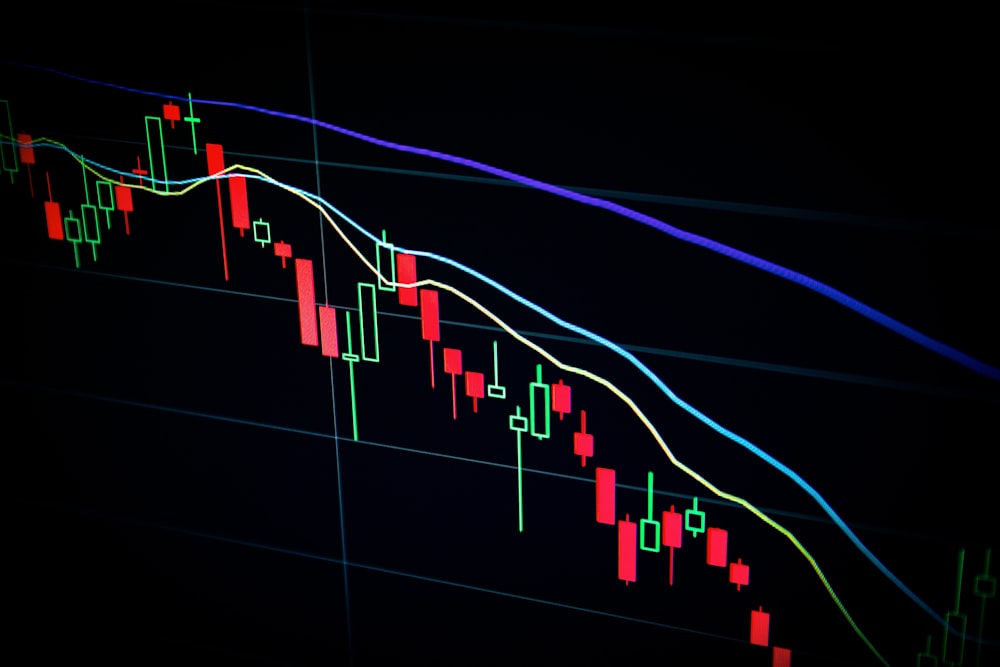
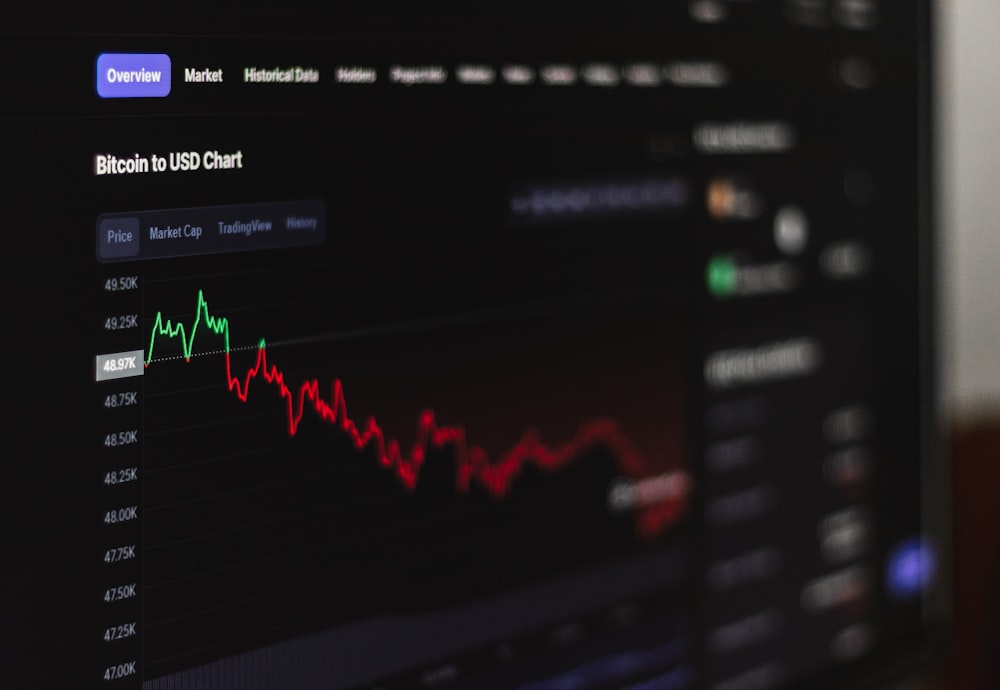
Market cycles are often described in four broad phases. Accumulation tends to follow a downturn, when prices are depressed and attention is low, but committed participants quietly build positions. Markup is the phase of rising prices and returning enthusiasm, when media coverage grows and newcomers arrive. Distribution comes as the market peaks and early participants take profits. Markdown is the decline, when prices fall and sentiment sours.
What drives these cycles is, fundamentally, human psychology. Fear and greed amplify price movements: as prices rise, the fear of missing out pulls in buyers; as prices fall, fear of further losses triggers selling. Sentiment indicators, such as the widely cited "fear and greed" gauges, attempt to capture this mood, though they are descriptive rather than predictive.
Several practical lessons emerge from studying cycles. The first is that extreme optimism and extreme pessimism are both worth questioning. Markets rarely go straight up or straight down forever, and the loudest sentiment often appears near turning points. The second is the danger of leverage; borrowing to amplify positions can magnify losses just as easily as gains, and forced liquidations can accelerate downturns.
Risk management is the recurring theme among experienced participants. That includes only committing capital one can afford to lose, avoiding concentration in a single asset, and resisting the urge to chase rapid price moves. Dollar-cost averaging — investing fixed amounts over time — is one approach some use to reduce the impact of volatility, though it carries no guarantee of profit.
Perhaps the most important takeaway is humility. Markets are complex, and confident predictions frequently prove wrong. Recognizing where exuberance or fear may be distorting judgment is more valuable than trying to time tops and bottoms precisely. This article is educational and is not financial advice; every individual's situation and risk tolerance is different.