Support and Resistance: How Traders Read Price Levels
Support and resistance are among the most widely used concepts in market analysis. They describe price levels where buying or selling pressure has historically been strong enough to pause or reverse a move. Understanding them helps make sense of why prices often stall or bounce at certain points.
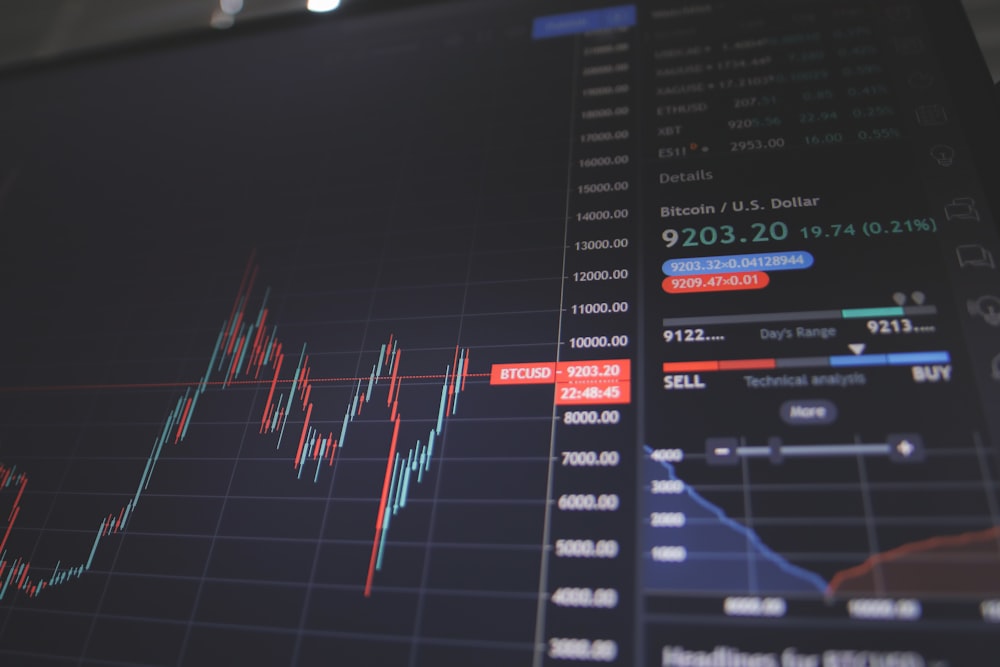
Support is a price level where buying interest has tended to appear, acting like a floor. As price falls toward support, buyers step in, and the decline often slows or reverses. Resistance is the opposite — a ceiling where selling pressure tends to emerge, capping advances.
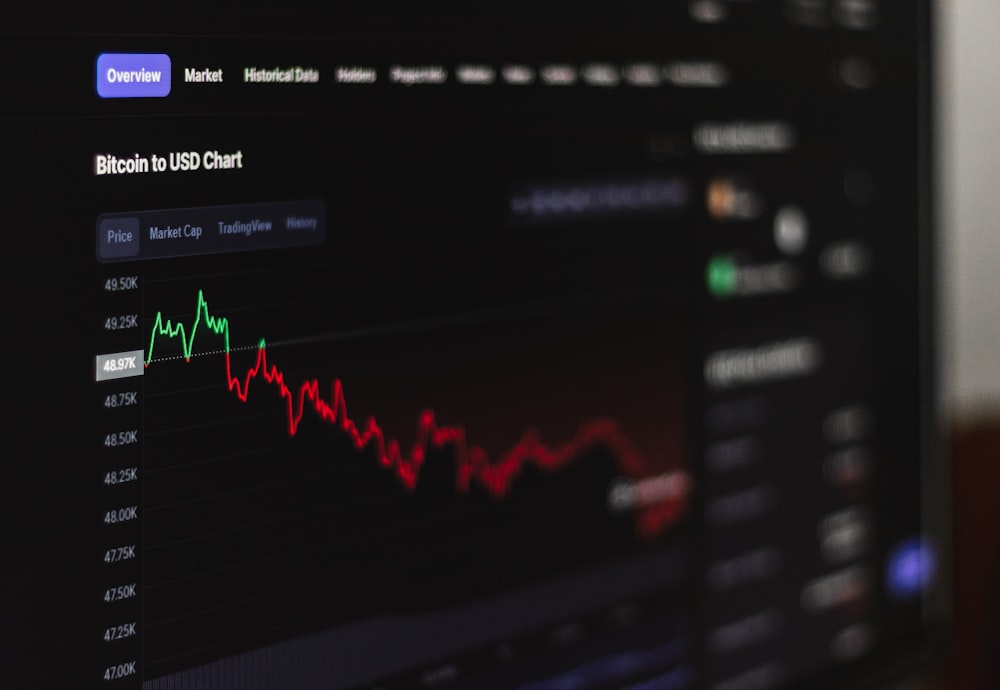
These levels form because markets have memory. Prices where many people previously bought or sold become psychologically significant. Round numbers (like $50,000 for Bitcoin) and previous highs or lows often act as such levels, simply because many participants are watching them.
A useful idea is that broken levels can flip roles. When price breaks decisively above a resistance level, that level can become new support on a pullback, and vice versa. Traders watch these "flips" closely as signs of changing market structure.
Levels are zones, not exact lines. Price rarely respects a precise number to the dollar; it tends to react around an area. Drawing support and resistance is part art, part observation, and different traders will mark slightly different levels.
The practical value of support and resistance is in framing risk. Knowing where a level sits helps a trader decide where a thesis would be proven wrong, and therefore how to manage a position. But like all technical tools, these levels can break, and in fast-moving crypto markets they break often. They are guides for thinking about risk, not guarantees of where price will stop. This article is educational and not financial advice.