Understanding Liquidity: Why It Can Make or Break a Market

Liquidity is one of the most important concepts in any market, yet it is often overlooked by newcomers focused solely on price. In simple terms, liquidity describes how easily an asset can be bought or sold without significantly affecting its price.
A highly liquid market has many buyers and sellers and tight spreads — the gap between the highest price buyers will pay and the lowest price sellers will accept. In such markets, you can enter and exit positions quickly and at predictable prices. A thin, illiquid market is the opposite: a single large order can move the price sharply, and getting out can be costly.
In crypto, liquidity varies enormously. Major assets like Bitcoin and Ethereum trade in deep, liquid markets across many venues. Smaller tokens, by contrast, can be extremely illiquid — which is precisely why they can appear to soar or crash on relatively little volume, and why exiting a position can be far harder than entering it.
Low liquidity also makes markets easier to manipulate. With few participants, coordinated buying or selling can create artificial price movements that trap unsuspecting traders. The classic pump-and-dump relies on exactly this dynamic.
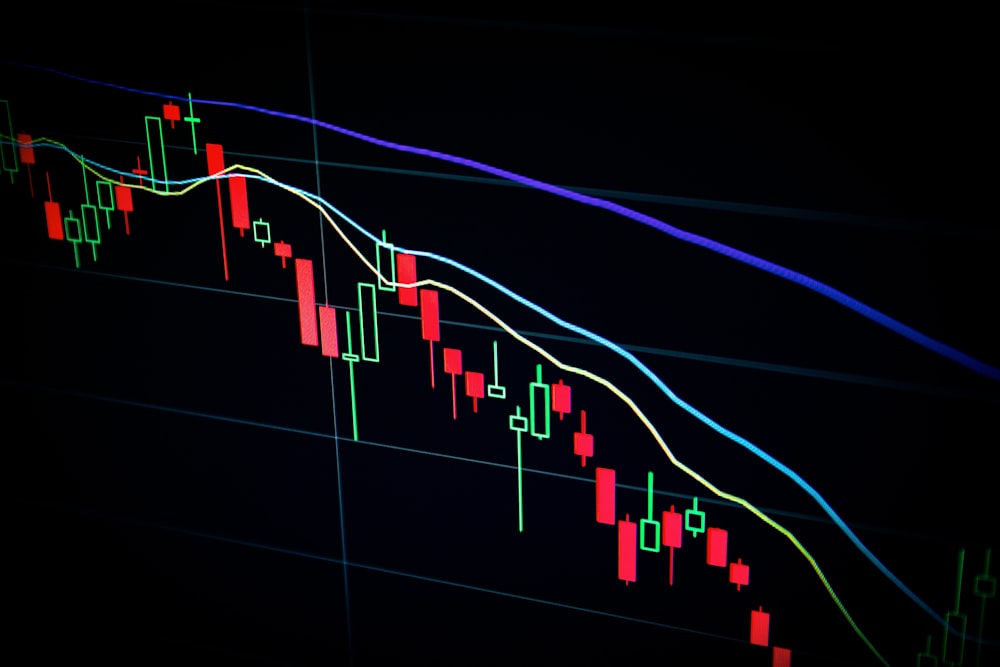
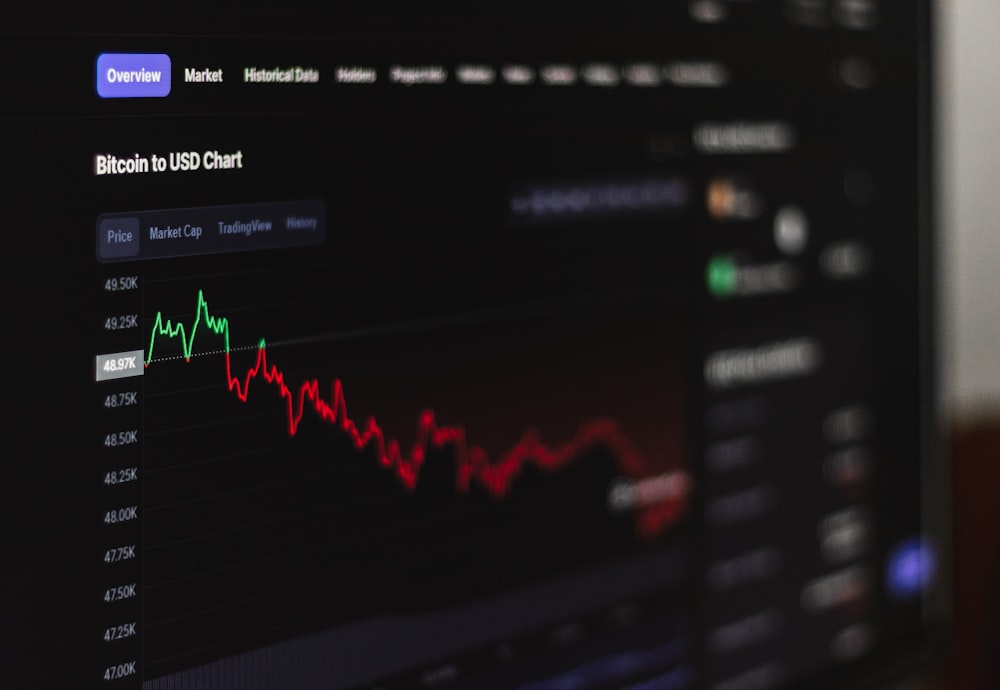
Liquidity matters for practical decisions. Before buying a token, it is worth asking: how much volume does it trade, on how many venues, and how wide are the spreads? An asset that looks attractive on a chart may be very difficult to sell at the displayed price if liquidity dries up.
Understanding liquidity turns abstract price charts into a more realistic picture of what you could actually buy or sell, and at what cost. It is a core part of managing risk in any market, and especially in crypto's wide-ranging landscape. This article is educational and not financial advice.